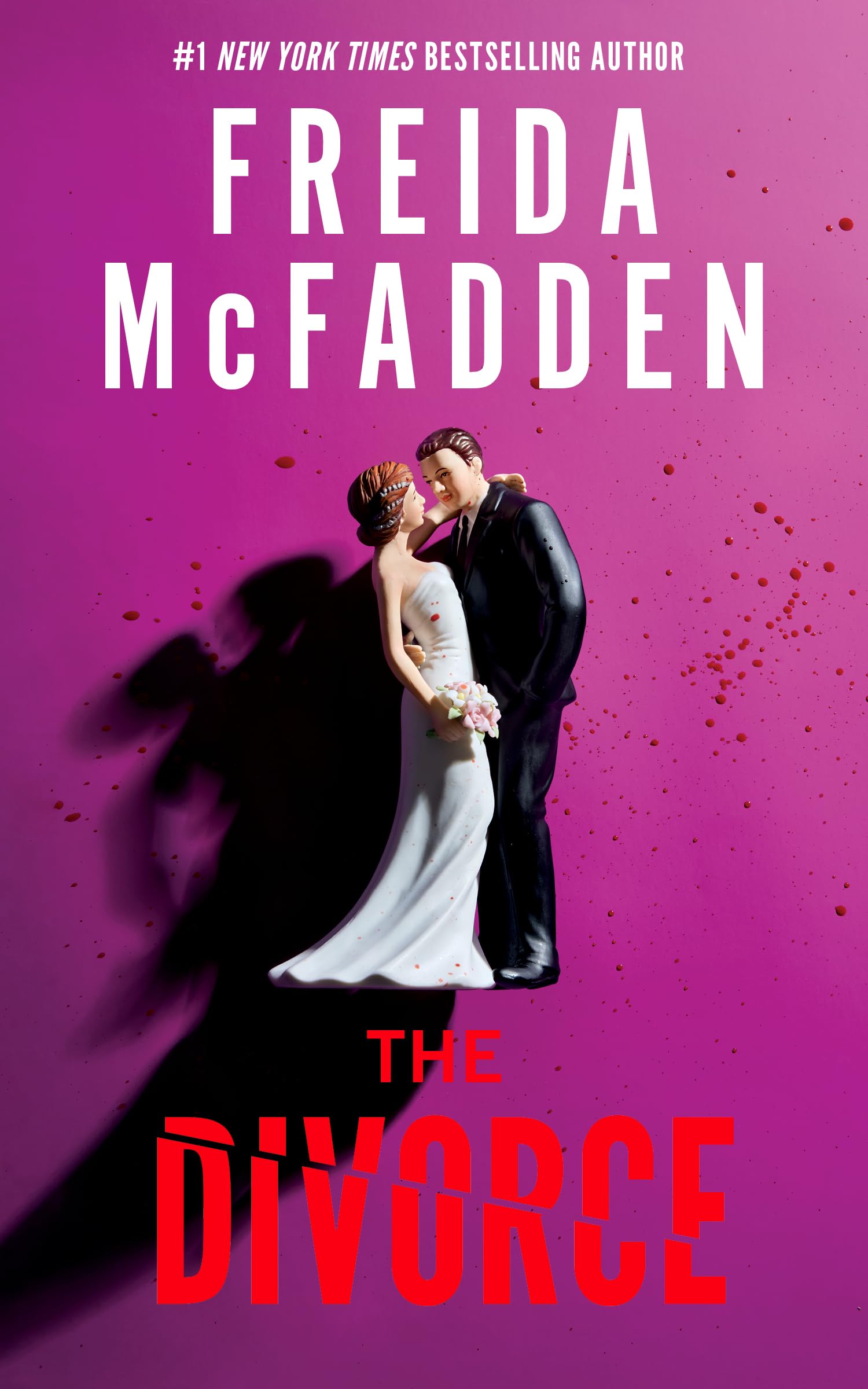
The Divorce is a guided workbook designed to help individuals process the emotional and logistical chaos of separation or divorce. It promises structure and clarity during one of life’s most disorienting transitions. But does it deliver? After spending several weeks with it—using it alongside real-world conversations with friends going through divorce—I found it to be a mixed bag: genuinely helpful in some ways, but limited in others.
In practice, this workbook is used as a self-paced companion. You sit down with it when you have a quiet moment—maybe after a therapy session, or late at night when your mind is racing. It asks you to reflect on your marriage, your feelings, and your future. The prompts range from practical (financial checklists, legal to-dos) to deeply emotional (grief, anger, forgiveness). One user I spoke with said it helped her organize her thoughts before meeting with her lawyer. Another found the journaling sections cathartic but overwhelming—she felt pressure to “do it right.”
Key functional features include: structured chapters that mirror the stages of divorce (from separation to rebuilding), tear-out worksheets for tracking decisions and emotions, and a blend of therapeutic exercises and practical advice. The book also includes space for notes on custody arrangements, asset division, and co-parenting plans. It’s clearly designed by someone with a background in counseling or life coaching, which shows in the careful wording of prompts.
However, a significant limitation is its one-size-fits-all approach. Divorce is not a linear process, and the workbook assumes you’ll move through stages in order. If you’re already past the initial shock and deep into legal battles, the early chapters can feel condescending. Conversely, if you’re still reeling, the later sections about “moving on” might feel premature or even dismissive. The tone can also be a bit too optimistic for some—phrases like “embrace this new chapter” may grate when you’re still in survival mode.
Compared to a more general self-help book like “Getting Past Your Breakup” by Susan Elliott, The Divorce is more structured and action-oriented. Elliott’s book is narrative and therapeutic, while this workbook is task-based. If you prefer reading and reflecting, the narrative approach might work better. If you need something to do—to keep your hands busy while your mind heals—this workbook is a better fit. But it lacks the depth of a therapist-led support group or one-on-one counseling, which can offer personalized guidance no book can replicate.
Who is this for? People who like structure and checklists, and who feel overwhelmed by the chaos of divorce and want a step-by-step guide. It’s also good for those who struggle to articulate their feelings and need a prompt to get started. Who is it not for? If you’re in the middle of a high-conflict divorce, are dealing with trauma or abuse, or simply hate journaling, this workbook may feel frustrating or even harmful. It’s not a substitute for professional help, and it oversimplifies complex legal and emotional realities.
Realistic expectations are key here. You won’t finish this workbook and feel “cured.” Divorce takes years to process fully. What this does is give you a framework to start untangling your thoughts, but it cannot replace a good therapist, a supportive friend, or a competent lawyer. The exercises are useful, but they’re not magic. I noticed some repetition in the prompts—several sections ask similar questions about “what did you learn from this marriage?” which can feel redundant after a few chapters.
On the positive side, the physical design is practical: spiral-bound so it lies flat, with thick paper that handles erasing and rewriting. The layout is clean and not cluttered, which matters when your brain is already overloaded. It also includes a resource list for legal aid and counseling services, though it’s US-centric, so international users may find it less useful.
In the end, The Divorce is a decent tool for a specific kind of person at a specific stage of the process. If you’re looking for a structured way to document your journey and need help organizing your thoughts, it’s worth the modest investment. But if you’re hoping for a comprehensive guide that addresses every nuance of divorce, you’ll be disappointed. It’s a workbook, not a roadmap—and it knows its limits, even if it doesn’t always admit them.